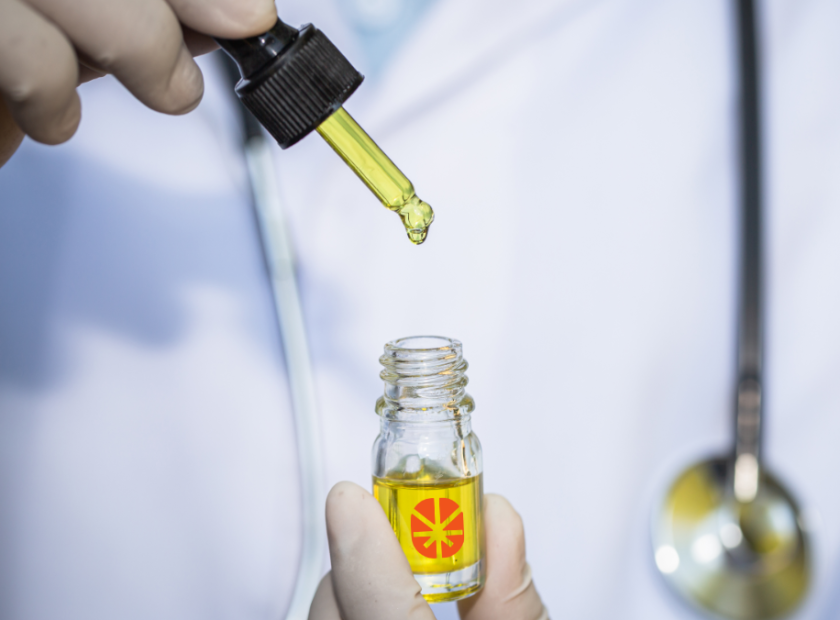
Cannabis for medical use: regulations and path with Centro Natura Medica

Public communication on cannabis tends to confuse commercial products with a low THC content (“cannabis light”, i.e. industrial hemp) with cannabis for medical use, or preparations based on Cannabis sativa L. containing Δ⁹-tetrahydrocannabinol (THC) prescribed by a doctor and prepared by authorized pharmacies according to quality standards. This article clarifies the distinction and describes, in a concise form, the clinical and organizational path adopted by Centro Natura Medica for appropriate access to cannabinoid-based therapies.
Terminological distinction: medical cannabis vs. "cannabis light"
Medical cannabis refers to magistral preparations containing phytocannabinoids (including THC and CBD) obtained from qualified raw materials and prepared in pharmacies according to quality (e.g., GMP for batches of origin) and traceability requirements. Products commonly referred to as " cannabis light " and, more generally, industrial hemp (varieties of Cannabis sativa L. with a low THC content of 0,5% , grown and used for fiber, foods, and cosmetics pursuant to Law 242/2016 and related legislation) belong to non-medicinal supply chains : they are neither clinically nor regulatoryly comparable to cannabinoid-based magistral preparations , have no therapeutic indications or validated dosages, and do not replace prescription medications.
Essential regulatory framework
In Italy, cannabis-based magistral preparations have been prescribable since 2006; the comprehensive framework for medical use was subsequently outlined by the Ministerial Decree of November 9, 2015, within the framework of Law 94/1998 (magistral prescription under the physician's responsibility). Generally, the preparations are used as a supportive symptomatic treatment when standard therapies are ineffective or intolerable, with a non-repeatable prescription (RNR) valid for 30 days. Dispensing is done through authorized pharmacies; clinical centers do not sell or deliver medications.
Care pathway: operating procedures in CNM
CNM is a specialized medical practice that operates in person and via telemedicine. The patient journey is structured into standardized phases:
1) Book your first appointment (also online) with a specialist experienced in cannabinoid therapy.
2) Clinical assessment: medical history, review of previous treatments, and definition of therapeutic goals; when indicated, proposal of therapy with cannabis-based preparations.
3) Prescription: if appropriate, issue a nationally valid RNR prescription; dispensing is performed by authorized pharmacies.
4) Follow-up and renewals: monitoring of efficacy/tolerability, possible dosage adjustment and planning of prescription renewals.
In remote care, patient identification and informed consent for healthcare services are collected according to established procedures; clinical documentation is made available in a traceable format.
Economic and logistical aspects
The cost of the visit is private and in line with the average for specialist services. The cost of the treatment depends on the preparation (e.g., inflorescences, oily extracts), the dosage, and the monthly quantity indicated on the prescription; the cost is paid by the pharmacy. Where provided by the authorized pharmacy , dispensing may include home delivery services ; these services are managed exclusively by the pharmacy , in compliance with regulations on traceability and recipient identification. The clinical center does not sell or deliver medications. Telemedicine services and structured collaboration with authorized pharmacies optimize patient time (booking, prescription dispatch, collection/delivery according to the methods offered by the pharmacy).
Method of administration and devices
Administration can involve various routes (e.g., inhalation via certified vaporization devices or oral administration via oil preparations), selected based on the patient's clinical condition and preferences. In vaporization protocols, the absence of combustion reduces exposure to combustion products compared to smoke; the choice of device and regimen should be discussed with the physician and pharmacy.
Certified Vaporizers for sale on shopnaturamedica.com
Clinical rationale
Cannabinoids modulate the endocannabinoid system, which is involved in nociception, muscle tone, sleep, and the stress response. In selected conditions—for example, spasticity in multiple sclerosis and chronic neuropathic pain—clinical evidence supports the use of cannabinoids as a supportive treatment option, with careful monitoring of efficacy and tolerability.
Conclusions
Appropriate access to medical cannabis requires clear terminology, proper regulatory framework, and a structured care pathway. CNM adopts standardized procedures (in-person and via telemedicine) to ensure clinical assessment, prescriptions when indicated, and continuity of care in collaboration with authorized pharmacies.
For information and reservations contact us
Disclaimer. The information provided is for informational purposes only and does not replace individual clinical assessment or a direct relationship with a physician. Cannabis therapy should be considered on a case-by-case basis, in compliance with current legislation and clinical indications.